
Speis means ‘breath’ and connotes force, vitality and warmth
Speis means ‘spirit’ and connotes spark, creativity and force
Speis means ‘spirit’ and connotes joy, aspiration and courage
Speis means ‘breath’ and connotes effort, commitment and energy
Speis means ‘spirit’ and connotes life, wind and motion
Speis means ‘spirit’ and connotes light, joy and presence
Speis means ‘spirit’ and connotes light, joy and presence
Speis means ‘breath’ and connotes force, vitality and warmth
Speis means ‘spirit’ and connotes life, wind and motion
Speis means ‘breath’ and connotes effort, commitment and energy
Speis means ‘spirit’ and connotes spark, creativity and force
Speis means ‘spirit’ and connotes joy, aspiration and courage
About Speis
There is a crack in everything.
That’s how the light gets in.Leonard Cohen
Why Speis Paradox?
Speis (pronounced spaze) Paradox is a puzzling name for a website, and I’ve been frequently told to change it, because puzzling is bad in marketing. Nonetheless, I decided to stay true to what the name means to me, the feeling it represents.
After a lifetime in a career studying human psychology, I have come to the conclusion that the most powerful force in human motivation is love, aspiration, and spirit. (Here I put them in a single bucket.) I believe I’ve had a better than average exposure to some of the powerful forces that work on us humans — first, working as a clinical psychologist and psychoanalyst privileged to deep personal confidences; second, moonlighting as a forensic psychologist in the legal and courtroom context — and everything else I’ve run into in the bucket of life.
Aspiration
In the name, in the website, and in my practice, I wanted to capture aspiration — the driving force of my own work, and what I believe most people hold for themselves, including my clients.
On the surface people aspire to different things: some to make a difference, others for more prestige or power in order to make that difference. Some value security; others want to do something interesting and engaging. Yet underneath these varying motivations, I have repeatedly found that what seems to bring people the most satisfaction and freedom is finding a way to be a positive, contributing force.
How it translates into coaching goals can vary widely. For some it could be finding a way to respect and get along better with their co-workers. For others, forgiving themselves of their own unconscious grudges against their selves; taking responsibility in a way that makes them feel proud; or softening something that makes them feel more kind.
Where the word ‘Speis ‘ comes from
Unable to find an English word to capture this dynamic, I found one in a proto-Indo-European dictionary. Indo-European is the class of languages that encompasses the most number of spoken languages in the world today, including English, Hindi, Greek, Polish, Kurdish, Irish, Latvian, Persian, German, Albanian, Russian, French and more.
Proto-Indo-European refers to the language that was spoken before all these other languages broke out and became individualized. So it’s the closest we have to being, if not the mother of all human languages, then the mother of the most number of languages spoken today. This was important because my aspiration is to help people with problems and solutions that everybody has, regardless of where they are from or what they do.
What does ‘Speis‘ mean?
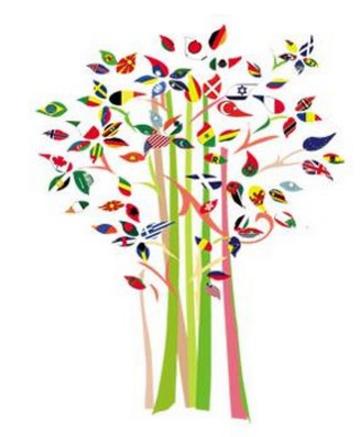
Speis is the proto-Indo-European word that means “spirit” or “breath.” It is synonymous with the animating force: life, wind and motion. It connotes lightness, presence, hope, courage, devotion, loyalty, warmth, aspiration, joy, force and vitality. I chose the term to catch the universality of the force that the word refers to, a force composed both of dynamism/life and presence/warmth. I chose images for this website to correspond to the idea of Speis.
The Paradox in Speis Paradox
Speis speaks to a positive energy that can drive effort, provide direction, and accomplish goals. Who wouldn’t want it? And why can’t we get it more easily, even when we choose?
Because real life intervenes. Paradox acknowledges what people actually bring through the door — the stuck patterns, the competing demands, the weight of circumstances that don’t yield easily to good intentions. Every event is enmeshed in its own context and apparent limitations. Speis is aspiration; Paradox is humanity.
To be at our best is to be deeply happy. And yet we find ourselves all too frequently encumbered in realizing that apparently simple aspiration. Real life moves very quickly, and modern functioning calls on people, more and more, to keep pace or fall off. The complex demands of functioning in the real world makes compromise and imperfection a necessity — never mind dealing with the internal cracks that limit us within our own lives and personalities.
Fortunately, as Leonard Cohen says, these cracks are potentially our best ally. Cracks in our personal makeup, our behavioral habits and emotional vulnerabilities, harbor deep energy — energy that can either be viewed as an enemy to be battled and suppressed; or energy that can open us to vitality and flow. Inside these cracks lie force vectors that can paralyze individuals and organizations with dysfunction; or which can transform stagnation and frustration to resilience and commitment.
When I was still training, one of my clients was a very religious woman. Her religion (not to mention her personality) had given her the idea that the best way to be in life was to be as nice as possible: to always be smiling, to speak softly, and offer no resistance to anybody or feel anger. Yet it was not hard to sense that underneath the surface she was seething with some kind of internal protest that she did not allow herself to be conscious of. For her the paradox was to become aware of and allow what she had judged to be unsavory. Allowing herself to realize that sometimes she didn’t feel like being nice was one path for her to realize her aspiration to be a good person.
The Underlying Philosophy of Speis Paradox
In other words, the coaching approach in Speis Paradox is the pairing of authenticity to aspiration. Authentic — another word for being real — refers to that which is real: real-life challenges and circumstances, the reality of complicated relationship dynamics, the morass of feelings, the stumbling blocks of old real wounds and real habits, and the stiff demands of performing and functioning.
To aspire is to want; to want is to intend; and to intend is to focus will and energy. To focus will and energy is to choose.
These two vectors are in some ways diametrically opposed, and yet most people juggle them constantly.
The ideas I’ve described here are not mine originally. They are all ideas rooted in ancient wisdom traditions, which repeatedly find different ways to be current, popular and relevant. For myself I learned or discovered them both personally and professionally – from Buddhist meditation to psychoanalysis to brain research on psychology.
These ideas emphasize the power of truth, the energy of authenticity, and the strong power of positive investment (love), which in life and organizations can take the form of good citizenship, personal motivation, generosity, and joy.