
Speis means ‘breath’ and connotes force, vitality and warmth
Speis means ‘spirit’ and connotes spark, creativity and force
Speis means ‘spirit’ and connotes joy, aspiration and courage
Speis means ‘breath’ and connotes effort, commitment and energy
Speis means ‘spirit’ and connotes life, wind and motion
Speis means ‘spirit’ and connotes light, joy and presence
Speis means ‘spirit’ and connotes light, joy and presence
Speis means ‘breath’ and connotes force, vitality and warmth
Speis means ‘spirit’ and connotes life, wind and motion
Speis means ‘breath’ and connotes effort, commitment and energy
Speis means ‘spirit’ and connotes spark, creativity and force
Speis means ‘spirit’ and connotes joy, aspiration and courage
About Jenai
Education & Training
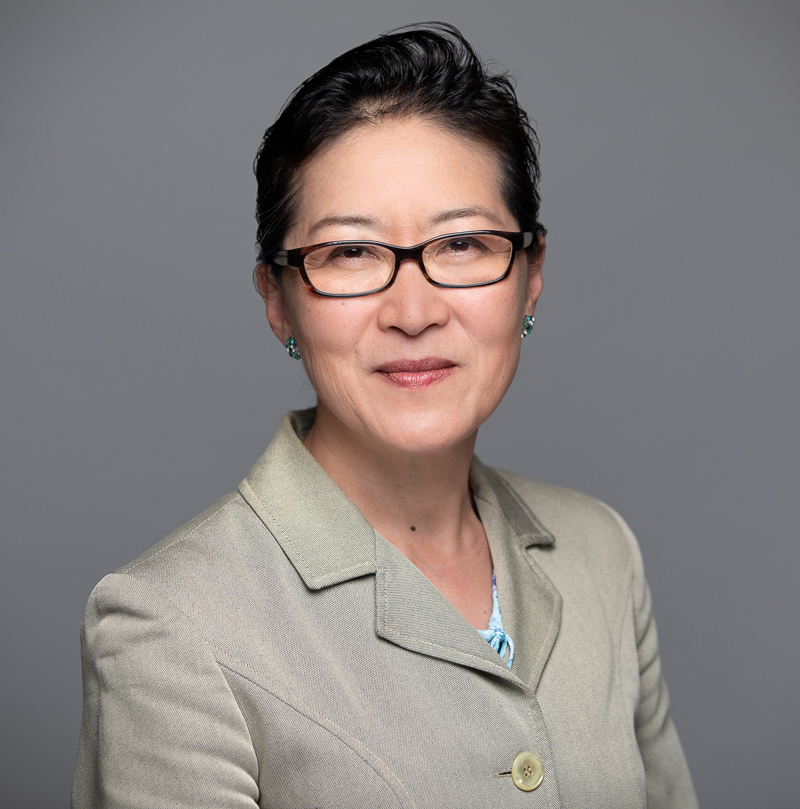
Dr. Jenai Wu Steinkeller (“Dr. Wu” or Jenai) received her Ph.D. in Clinical Psychology at Northwestern University School of Medicine, where she also completed four years of pre-doctoral clinical training at inpatient and outpatient services of the Institute of Psychiatry at Northwestern Hospital, Chicago. She also attended the University of Chicago, where she studied Cultural Anthropology and graduated with honors in Behavioral Sciences.
She completed post-doctoral training and fellowships at Harvard Medical School training hospitals — Massachusetts General Hospital and Beth-Israel Deaconess Medical Center — specializing in psychodynamics, a theory of human psychology focused on early development and the unconscious aspects of the human mind. Her two-year post-doc in group psychodynamics grounded her subsequent specialization in organizational work. She also entertained some detours in child and family therapy, neuropsychological assessment, and neuropsychoanalysis.
Dr. Wu completed her psychoanalytic training at the Boston Psychoanalytic Society and Institute, accredited by the American Psychoanalytic Association, and has been a certified psychoanalyst since 2007.
Her learning did not stop with these formal credentials but continued as she strove to stay at the cutting edge of understanding the human mind and how to help people and organizations. The most substantial of these subsequent formations include:
Her three-year certification in Somatic Experiencing (SE™) — an embodied, nonverbal, neurophysiological approach to developing deep resilience and recovering from trauma — represented a significant expansion of her clinical lens, bringing the body and nervous system into the center of her work.
The Community Dharma Leadership program, a three-year invitation-only mindfulness teacher training based at Spirit Rock and the Insight Meditation Society, deepened her personal contemplative practice and her capacity to bring mindfulness into her work with clients.
Tavistock certification in coaching through a psychodynamic approach, and executive coaching training at iCoach at the Zicklin Business School of Baruch College, New York, grounded her organizational and coaching practice in rigorous frameworks.
Additional training includes Action Learning for organizational and team development; negotiation at Harvard Law School’s Program on Negotiation; business and management coursework at Harvard Business School, MIT Sloan, and the University of Michigan; neuroanatomy and neuropsychoanalysis; and Emotionally Focused Therapy (EFT™) for couples and relationships.
Teaching
For 25 years Dr. Wu was on Harvard Medical School’s faculty as Assistant Clinical Professor of Psychology, based at Massachusetts General Hospital, where she taught and supervised psychiatry residents in the practice of psychotherapy. She also served for several years as Lecturer at Tufts University School of Medicine at Tufts New England Medical Center. Other teaching credits include adjunct faculty at the Program on Negotiation at Harvard Law School, and a course in social psychology at Emerson College.
Practice
For most of her career Dr. Wu maintained dual practices — in psychotherapy and psychoanalysis on one side, and organizational consulting and executive coaching on the other. In the former she saw patients in her downtown Boston office, treating individuals and couples in face-to-face and analytic work. In the latter she worked in organizations with executives and their teams to facilitate organizational change and individual executive development. After the pandemic she consolidated these two practices into a single remote practice of personal coaching and executive and leadership coaching.
She began her organizational consulting career after a three-year stint as Senior Consultant at Trompenaars Hampden-Turner, a boutique Dutch management consultancy specializing in working with top teams in global organizations — particularly in culture-related challenges such as cross-border mergers and acquisitions and the articulation of vision, mission and values. Her clients in that capacity included CEOs, C-suite and senior leaders at Mercer, Applied Materials, RAG Coal, Alpharma, and VNU.
Over the years her interests have encompassed the psychodynamics of resilience, embodied learning and mindfulness, the utilization of emotions in deep communication, the cultural underpinnings of conflict and negotiation, women in leadership, and trust. For many years she consulted and wrote prolifically on these subjects, and gave lectures and workshops widely. These threads have since been woven into the approach to coaching described in About Speis Paradox.
Volunteer Work & Other Interests
For twenty years Dr. Wu volunteered with Physicians for Human Rights, a Nobel Prize-winning organization working at the intersection of medicine, policy, and human rights in conflict regions worldwide. She served as an expert witness in court cases involving torture and other human rights violations. She trained physicians and attorneys on the psychological and physical impact of these violations on survivors. She was one of twenty volunteers honored nationally at PHR’s 25th anniversary.
For many years she also accepted low-fee disability evaluations for combat veterans suffering psychological and neurological injury — and found in that work another kind of witness to the cost of war.
She enjoys many interests and hobbies including nature, sports, and music. She is also inspired and motivated by a lifelong spiritual engagement focused on contemplative practices from multiple traditions — Eastern Buddhist meditation, the Christian mystical tradition, yoga and Ayurvedic practice. To nourish these practices she has spent weeks and months in silent retreat in monasteries, dojos, and ashrams.
Another passion is collecting sacred music and spiritual chant from widely disparate regions and traditions — the Balkans, Caucasus, Africa, Roma, Asia, and the Americas — spanning Hindu, Native American, Sufi, Gregorian, Sephardic, Zen, American Baptist, Eastern Orthodox, and classical European repertoires. While very far from expert in her taste, she enjoys the musical diversity on the one hand. On the other hand she is captured by the similarities across widely disparate traditions and regions, not least in the capacity of each tradition to convey reverence for the sacred.